Winterizing a garden is not simply a matter of clearing everything away, adding mulch, and waiting for spring.
Some winter-preparation mistakes are harmless. Others can damage plants, weaken soil structure, waste time, or leave vulnerable areas unprotected when the weather turns severe.
The biggest problems often come from doing the right task at the wrong time, applying too much protection, or treating every plant and garden area the same way.
This guide covers the most common garden winterization mistakes and explains what to do differently.
Why Winterization Mistakes Matter
A garden enters winter with very different needs from summer.
Plants may be dormant, soil may freeze, moisture behaves differently, and protective materials can become necessary. At the same time, excessive intervention can create problems of its own.
Common mistakes include:
- Starting winter preparation too late
- Clearing healthy plant material unnecessarily
- Applying mulch incorrectly
- Pruning at the wrong time
- Watering without checking soil conditions
- Ignoring containers
- Forgetting about exposed plants
- Using unsuitable protective materials
- Failing to secure covers
- Assuming one winterization method works for the entire garden
Good winter preparation is less about doing more and more about doing the right things for the conditions you actually have.
1. Waiting Until the First Hard Freeze
One of the most common mistakes is leaving every winter-preparation task until temperatures have already dropped sharply.
By then, some plants may already have suffered damage.
Winter preparation is easier when completed gradually.
Instead of waiting for a major freeze, monitor the seasonal forecast and start preparing vulnerable areas before conditions become difficult.
This is particularly important for:
- Tender plants
- Container plants
- Recently planted trees and shrubs
- Young plants
- Exposed garden beds
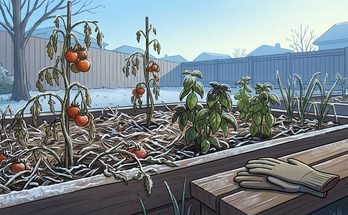
- Frost-sensitive vegetables
Better approach
Break winter preparation into stages.
Deal with immediate frost-sensitive plants first, then complete broader winterization as the season progresses.
2. Treating Every Plant the Same
A hardy perennial does not need the same treatment as a tender annual.
Likewise, a mature established shrub does not necessarily need the same protection as a newly planted specimen.
Before winterizing, consider:
- Plant hardiness
- Age and establishment
- Exposure
- Soil conditions
- Container versus ground planting
- Local winter severity
- Wind exposure
- Drainage
Overprotecting hardy plants can be just as unnecessary as failing to protect tender ones.
Better approach
Divide the garden into groups:
Plants that need protection → plants that need monitoring → plants that can largely be left alone.
This makes winter preparation more efficient and reduces unnecessary work.
3. Removing Everything From the Garden
A completely cleared garden may look tidy, but removing every piece of plant material is not automatically good winter preparation.
Some healthy stems, seed heads, and plant structures can remain through winter.
They may provide:
- Habitat
- Food for wildlife
- Winter structure
- Protection from weather
- Visual interest
That does not mean all dead material should remain.
Diseased plants, problematic debris, and material that creates a genuine sanitation or pest problem should be handled appropriately.
Better approach
Don’t confuse winter cleanup with complete plant removal.
Decide what should be removed based on plant health, disease risk, garden goals, and the specific conditions of your site.
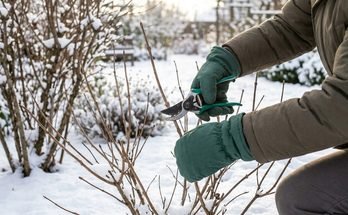
4. Pruning Everything Before Winter
Another common mistake is performing a major pruning session simply because winter is approaching.
Not every plant benefits from being heavily pruned before winter.
Removing too much growth can expose plants to additional weather stress and may remove useful structure.
It can also encourage new growth if pruning is performed at an unsuitable time.
Better approach
Know which plants actually benefit from seasonal pruning and which should be left until a more appropriate time.
If a branch is dead, broken, diseased, or hazardous, it may require attention. But avoid treating every plant as though it needs the same pre-winter pruning routine.
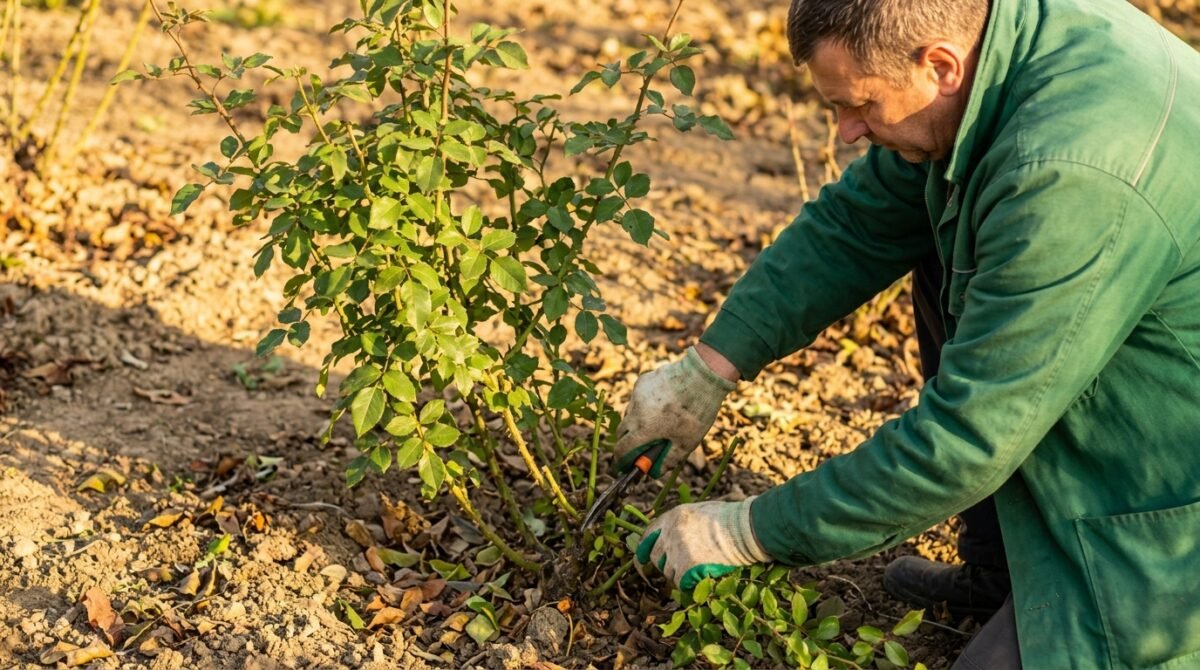
5. Applying Too Much Mulch
Mulch is useful, but more is not always better.
A thick layer piled directly against plant crowns or tree trunks can create moisture and disease problems.
Excessive mulch can also interfere with normal soil conditions.
Better approach
Apply mulch deliberately around the root zone while keeping it away from direct contact with trunks and sensitive crowns.
The goal is to moderate soil conditions and protect roots—not create a permanent wet mound around the plant.
6. Watering on a Fixed Schedule
Winter watering should not simply continue according to the summer schedule.
Plants generally use water differently during dormancy, while frozen or saturated soil creates additional problems.
At the same time, winter drought can damage certain plants, especially evergreens and recently planted trees and shrubs.
Better approach
Check actual soil conditions before watering.
Consider:
- Recent rainfall
- Snow
- Soil moisture
- Plant type
- Temperature
- Drainage
- Expected weather
Avoid watering frozen soil or adding water to an already saturated root zone.
7. Forgetting About Container Plants
Container plants are often more vulnerable to winter temperatures than plants growing directly in the ground.
Their root systems have less surrounding soil to buffer temperature changes.
A container that looks perfectly safe in autumn can become a serious cold-weather risk once temperatures remain low.
Better approach
Before winter arrives, identify containers that contain:
- Tender plants
- Young plants
- Recently transplanted specimens
- Plants that cannot tolerate local winter temperatures
Move appropriate containers to a protected location or provide suitable protection.
Also check containers during winter for cracking, waterlogging, and exposure to strong wind.
8. Using Plastic Directly Against Plants
Plastic may appear convenient when frost is approaching, but placing plastic directly against foliage can create problems.
It can conduct cold directly to plant tissue and may also trap moisture.
The material and setup matter.
Better approach
Use appropriate frost-protection materials and, where necessary, supports that keep the protective material away from delicate foliage.
Secure the edges properly so wind cannot turn the cover into a sail.
For detailed frost protection, use a dedicated frost-protection approach rather than improvising at the last minute.
9. Installing Covers Without Securing Them
A frost cover only works if it stays where you put it.
Wind can lift lightweight fabric, expose plants, and potentially damage nearby vegetation.
An unsecured cover can also become a hazard in severe weather.
Better approach
After installing protection:
- Secure the edges.
- Use suitable supports.
- Check exposed corners.
- Inspect the setup after strong wind.
- Repair tears promptly.
A five-minute inspection can prevent a night of protection from becoming ineffective.
10. Ignoring Wind Exposure
Gardeners often focus heavily on temperature while overlooking winter wind.
Cold wind can increase moisture loss from evergreen foliage and can physically damage branches, covers, and young plants.
Plants in exposed locations may therefore require more attention than identical plants in sheltered areas.
Better approach
Walk around your property and identify:
- Open corners
- Wind tunnels
- Exposed containers
- Unprotected young trees
- Vulnerable evergreen shrubs
Use existing structures such as walls and fences as part of your winter-planning considerations, without blocking necessary airflow or creating unsafe conditions.
11. Ignoring Drainage
Winter moisture can become a problem when water has nowhere to go.
Repeated freezing and thawing can be especially troublesome in areas that remain saturated.
Before winter becomes severe, look for:
- Standing water
- Blocked drainage paths
- Low areas
- Overflowing containers
- Water collecting around plant crowns
Better approach
Correct drainage problems when soil and weather conditions allow.
Don’t try to solve a major drainage problem during frozen or saturated conditions if doing so would compact the soil or damage plants.
12. Applying Fertilizer Just Before Winter
Another mistake is assuming that more fertilizer will help plants survive winter.
Late-season fertilization is not a universal winter-protection strategy.
Encouraging tender new growth immediately before severe cold can create additional vulnerability in some plants.
Better approach
Follow plant-specific fertilization recommendations and avoid treating fertilizer as an emergency winter shield.
Healthy plants going into winter generally benefit more from appropriate seasonal care than from a last-minute heavy fertilizer application.
13. Forgetting Recently Planted Plants
Established plants often have more extensive root systems and greater resilience than newly planted specimens.
A plant installed shortly before winter may not yet be fully established.
Give special attention to:
- New trees
- New shrubs
- Recently divided perennials
- Recent transplants
- Young seedlings
Better approach
Monitor newly planted areas for moisture problems, exposure, frost heaving, and inadequate protection.
Don’t assume that because a species is normally hardy, a newly planted specimen automatically has the same resilience as an established plant.
14. Preparing the Garden Without Checking the Forecast
Winter preparation should respond to actual weather patterns rather than the calendar alone.
A garden in a region expecting a mild, wet winter may need a different approach from one facing prolonged subfreezing temperatures and heavy snow.
Before major winterization work, check:
- Expected temperature trends
- First frost timing
- Potential freezes
- Snow
- Wind
- Rain
- Freeze-thaw cycles
Better approach
Use the forecast to determine when a task matters rather than relying entirely on a fixed date.
15. Removing Protective Covers Too Early
The opposite problem can also occur.
After a brief warm spell, gardeners may remove winter protection completely, only to have another cold event arrive shortly afterward.
This is especially risky during unpredictable transition periods.
Better approach
Keep protective materials available even after the first major cold spell.
If plants remain vulnerable and another freeze is possible, be prepared to reinstall protection.
Winter weather rarely follows a perfectly predictable schedule.
16. Leaving Covers on Without Monitoring Plants
Protective covers are not something you install once and forget about.
During milder periods, covers can create conditions that plants do not need.
Depending on the material and setup, prolonged covering may affect airflow, moisture, or temperature around the plant.
Better approach
Inspect protected plants periodically and adjust protection when weather conditions change.
Winter protection should be responsive, not permanent by default.
17. Ignoring Wildlife
Winter can change animal behavior.
When natural food becomes scarce, wildlife may browse on plants that received little attention during warmer months.
Potential targets include:
- Young tree bark
- Shrub stems
- Evergreen foliage
- Dormant buds
- Newly planted vegetation
Better approach
Inspect plants regularly for signs of browsing.
If a particular plant is repeatedly damaged, use an appropriate physical barrier or other suitable protection rather than waiting until the damage becomes severe.
18. Walking on Wet or Frozen Garden Soil
Gardeners sometimes enter beds during winter to perform small jobs without considering soil conditions.
If the soil is saturated, repeated foot traffic can compact it.
Compacted soil can affect:
- Drainage
- Root growth
- Aeration
- Soil structure
Better approach
Stay out of garden beds when the soil is excessively wet or vulnerable to compaction.
Use established paths wherever possible.
A winter maintenance task can usually wait for a better window.
19. Assuming Snow Is Always Bad
Snow often gets treated as a purely damaging winter element.
It isn’t.
A moderate layer of snow can provide useful insulation around dormant plants and soil.
Problems usually arise when snow becomes excessively heavy or accumulates on vulnerable structures and branches.
Better approach
Don’t remove every layer of snow automatically.
Pay particular attention to:
- Heavy accumulation
- Bent branches
- Collapsing structures
- Covered vents
- Fragile plants
Manage genuine hazards while allowing useful snow cover to remain where appropriate.
20. Doing Too Much Too Early
Winterization can become counterproductive when gardeners try to complete every possible task in one weekend.
Plants, soil, weather, and local conditions don’t always follow the same schedule.
A better approach is to divide preparation into stages:
Stage 1: Immediate frost protection
Protect tender plants and harvest vulnerable crops.
Stage 2: General winter preparation
Address beds, containers, mulch, structures, and vulnerable plants.
Stage 3: Winter monitoring
Inspect after major weather events and during appropriate maintenance windows.
Stage 4: Transition monitoring
As temperatures begin to change, adjust protection rather than following an outdated winter plan.
This staged approach reduces unnecessary work and allows decisions to reflect actual conditions.
A Simple Garden Winterization Mistakes Checklist
Before considering your garden winterized, ask:
- Have I checked the weather rather than relying only on the calendar?
- Have I identified the plants that actually need protection?
- Have I avoided unnecessary pruning?
- Have I applied mulch appropriately?
- Have I checked soil moisture?
- Have I considered container plants separately?
- Are frost covers properly secured?
- Have I considered winter wind exposure?
- Have I checked drainage?
- Have I protected vulnerable new plantings?
- Have I considered wildlife?
- Am I avoiding unnecessary traffic on wet soil?
- Do I have a plan for changing weather conditions?
If the answer is yes to the relevant questions, your preparation is much less likely to be undermined by common winterization errors.
How to Avoid Winterization Mistakes
The easiest way to avoid most winter gardening mistakes is to stop treating winterization as one giant task.
Instead:
Observe → prioritize → prepare → monitor → adjust.
Start with the plants and problems that are genuinely vulnerable.
Use appropriate protection rather than excessive protection.
Pay attention to soil and weather conditions instead of following rigid routines.
And remember that winter maintenance is not about keeping the garden completely untouched or perfectly tidy. It is about helping the garden enter and pass through winter with as little unnecessary stress as possible.
Final Thoughts
Successful winterization is not measured by how much work you complete.
It is measured by whether the garden is appropriately prepared for the conditions it is actually going to face.
Avoid the temptation to clear everything, prune everything, cover everything, water everything, or fertilize everything.
Instead, understand what each part of the garden needs.
Prepare vulnerable plants early, use mulch and covers correctly, pay attention to moisture and drainage, protect containers and young plants, and continue monitoring conditions throughout winter.
The best winter garden strategy is usually a thoughtful one: do enough to protect the garden, but not so much that your protection becomes another source of problems.