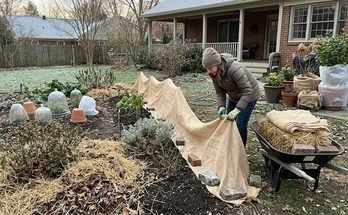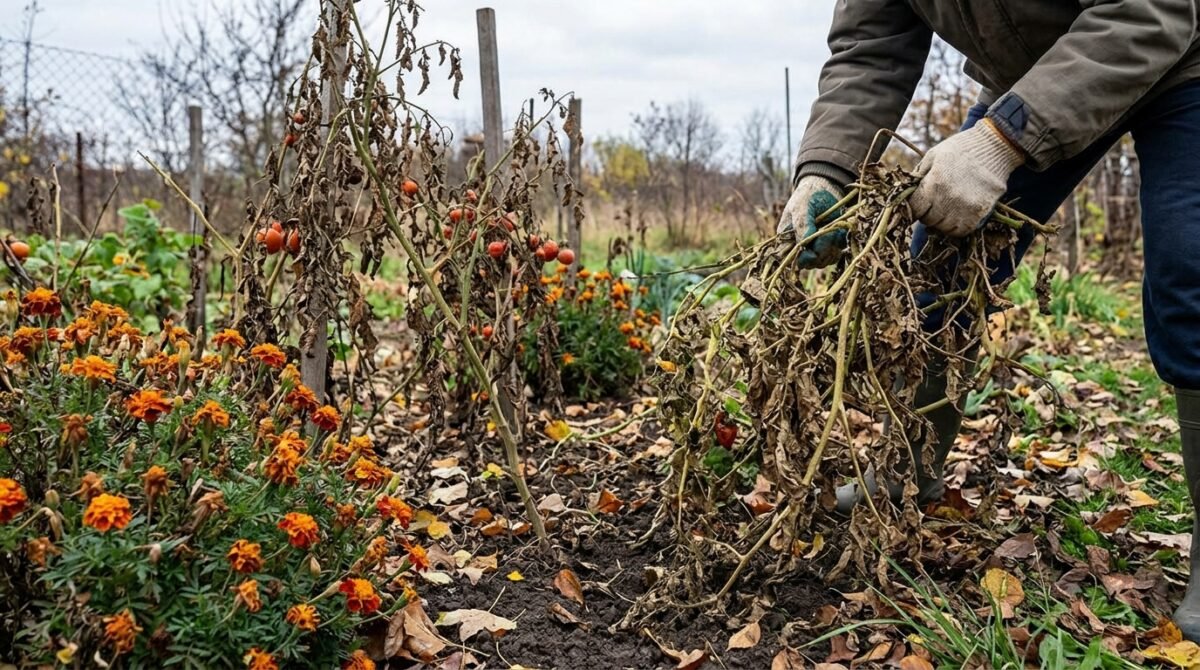
A small garden may require less time to winterize than a large one, but limited space creates its own challenges. When every bed, container, wall, and growing area has a purpose, winter preparation needs to be organized rather than excessive.
The good news is that you do not need a large collection of tools or complicated equipment to prepare a small garden for winter. A focused cleanup, sensible mulch, careful container placement, and protection of the most vulnerable plants can make a significant difference.
The key is to protect what matters without overcrowding the garden with unnecessary materials.
This guide explains how to winterize a small garden efficiently, with particular attention to compact beds, containers, vertical growing structures, limited storage, and exposed plants.
What Does It Mean to Winterize a Small Garden?
Winterizing a small garden means preparing its plants, soil, containers, structures, and limited growing space for the conditions of winter.
A compact garden usually benefits from a simplified approach:
- Remove unhealthy and unnecessary plant material.
- Protect the soil rather than disturbing it repeatedly.
- Use mulch efficiently.
- Consolidate containers into protected locations.
- Secure vertical structures.
- Protect the plants most exposed to cold and wind.
- Store or remove items that could be damaged by winter weather.
- Avoid using more materials than the space actually needs.
In a small garden, organization matters because a few poorly positioned objects or plants can make the entire space harder to manage.
Why Small Gardens Need a Different Winterization Approach
The basic principles of winter preparation remain the same, but small gardens often have practical limitations.
You may have:
- Very little open soil
- Several plants competing for the same space
- Multiple containers
- Vertical trellises or supports
- Limited storage
- Walls or fences affecting exposure
- Plants positioned close together
- Little room to move equipment around
This means the best strategy is usually selective winterization rather than treating every part of the garden equally.
Instead of buying large quantities of materials or applying protection everywhere, identify the areas most likely to experience winter stress.
1. Start With a Small-Garden Winterization Inventory
Before cleaning anything, make a quick inventory of the garden.
Divide everything into four groups:
| Category | What to Do |
|---|---|
| Plants | Identify healthy, finished, vulnerable, and diseased plants |
| Soil | Check exposed areas, moisture, erosion, and drainage |
| Containers | Group, protect, empty, or relocate as needed |
| Structures | Secure trellises, supports, pots, edging, and decorations |
This prevents unnecessary work.
For example, there is little reason to spend time protecting a sheltered container while ignoring a pot sitting in an exposed location where freezing wind can reach it from every direction.
2. Remove What the Garden Does Not Need
Limited space makes unnecessary garden material particularly noticeable.
Remove:
- Dead annuals that have finished their useful season
- Diseased foliage
- Rotten stems
- Weeds
- Broken stakes
- Damaged pots
- Unused plant labels
- Broken decorations
- Loose garden materials
Do not automatically remove every piece of healthy plant material.
Some perennial stems and seed heads can provide winter structure and habitat. The goal is to remove material that creates problems while retaining useful natural growth where appropriate.
A Simple Question to Ask
Before removing something, ask:
Does this material protect, support, feed, or shelter something in the garden?
If the answer is yes, consider leaving it in place unless there is a specific reason to remove it.
3. Protect the Soil in Limited Space
In a small garden, soil is one of the most valuable resources you have.
Avoid leaving large areas of soil completely exposed when they can be protected with organic material or an appropriate mulch.
Winter mulch can help:
- Moderate soil temperature changes
- Reduce erosion
- Protect shallow roots
- Reduce moisture loss
- Limit some winter weed growth
Suitable materials may include shredded leaves, clean straw, compost, or other appropriate organic mulch.
The important thing is to use the right amount.
A compact garden does not need a huge pile of mulch. Apply a useful protective layer around plants while keeping crowns and stems from being buried unnecessarily.
4. Make Mulch Work Harder
Because storage and space are limited, choose materials that serve more than one purpose.
For example, shredded autumn leaves can be useful as:
- Soil protection
- Organic material
- A winter mulch
- Habitat for beneficial organisms
Before using leaves, remove diseased material and avoid creating thick, wet layers that remain packed together.
Chopping leaves can make them easier to distribute in a small garden and reduce the tendency for them to form a dense mat.
Small-Garden Mulching Tip
Rather than covering every available surface, prioritize:
- Newly planted areas
- Shallow-rooted plants
- Exposed soil
- Areas affected by freeze-thaw cycles
- Plants in particularly vulnerable locations
This gives you more control over limited materials.
5. Consolidate Container Plants
Containers are often one of the biggest winterization challenges in a small garden.
Unlike plants growing in the ground, container roots have less surrounding soil to buffer temperature changes.
Instead of protecting every container individually, look for opportunities to group them strategically.
Move suitable containers:
- Against a protected wall
- Into a sheltered corner
- Away from strong prevailing winds
- Into a location with appropriate winter light
- Closer together where grouping provides some protection
Do not automatically place containers indoors. Many plants require outdoor winter conditions, and warm indoor environments can be unsuitable for dormant plants.
The correct location depends on the plant and its winter requirements.
6. Reduce Container Exposure
A container sitting alone in an exposed location can experience rapid temperature changes.
Where appropriate, grouping containers can reduce exposure to wind and make winter protection easier.
However, leave enough space for:
- Air circulation
- Drainage
- Access for inspection
- Snow and rain management
Avoid creating a tightly packed area where containers remain constantly wet.
Check Every Container
Before winter, inspect:
- Drainage holes
- Cracks
- Broken rims
- Saucer placement
- Soil moisture
- Plant stability
Containers with blocked drainage can become particularly troublesome when freezing weather arrives.
7. Give Vertical Gardens a Winter Inspection
Small gardens often depend on vertical space.
Trellises, arches, fences, cages, and wall-mounted supports allow gardeners to grow more without increasing the garden’s footprint.
But these structures can become vulnerable to:
- Strong winds
- Heavy snow
- Ice accumulation
- Frozen soil movement
- Rot or structural weakness
Inspect every vertical support before winter.
Ask:
- Is it firmly anchored?
- Is it carrying unnecessary weight?
- Can snow accumulate on it?
- Does a climbing plant need to remain attached?
- Should a temporary structure be removed?
- Could wind cause it to fall against another plant?
If a structure is weak, winter is not the time to discover that problem.
8. Reduce Unnecessary Vertical Weight
A compact garden may have several plants growing on the same trellis or support.
Before winter, remove dead growth and unnecessary material that could catch snow or wind.
This is especially useful for temporary structures.
Do not automatically remove healthy perennial growth if the plant benefits from retaining it. Instead, consider whether the structure can safely support the plant through winter.
A few minutes of pruning, tying, or securing can reduce the chance of winter damage.
9. Use the Garden’s Existing Microclimates
Small spaces often contain surprisingly different conditions within just a few feet.
A wall may provide shelter from wind. A sunny corner may warm faster during winter days. A low exposed section may collect cold air.
Observe your garden before deciding where vulnerable plants should go.
Useful microclimates may include:
- Sheltered corners
- South-facing walls
- Protected patios
- Areas beneath appropriate overhead cover
- Locations protected from prevailing winds
However, do not assume a sheltered location is automatically better for every plant.
Consider sunlight, moisture, ventilation, and the plant’s normal winter requirements.
10. Protect Against Wind Before Adding Complicated Covers
Cold temperatures are not the only winter stress.
Strong wind can increase moisture loss and physically damage exposed plants.
In a small garden, existing structures can often provide useful wind protection.
A fence, wall, hedge, or building may reduce exposure without requiring additional equipment.
If a plant needs additional protection, use a suitable method for that particular plant rather than covering the entire garden.
Think in Layers
A practical small-garden strategy is:
Shelter first → mulch second → plant-specific protection only where needed
This avoids turning the entire garden into a collection of unnecessary covers and supports.
11. Check Drainage Carefully
Small gardens sometimes have drainage problems because beds, containers, paving, and structures are packed closely together.
Inspect the garden after rainfall.
Look for:
- Persistent puddles
- Saturated containers
- Water flowing toward plant crowns
- Blocked drainage holes
- Compacted soil
- Low spots
Do not solve poor drainage by simply adding more mulch.
If water cannot leave the root zone, additional winter protection may actually make the problem worse.
12. Protect Newly Planted Areas
Newly planted plants may require extra attention because their root systems have had less time to establish.
Inspect recently planted:
- Perennials
- Shrubs
- Bulbs
- Container plants
- Small trees or other young plants
Protect the soil around vulnerable plants with suitable mulch, while avoiding excessive material directly against stems or crowns.
The exact protection needed depends on the plant and your climate, so avoid using one blanket method for every new planting.
13. Make Winter Watering Efficient
A small garden makes watering easier, but it can also encourage gardeners to water everything on the same schedule.
Do not do this automatically.
Instead, check moisture individually.
Pay particular attention to:
- Containers
- Newly planted areas
- Sheltered locations that receive little precipitation
- Plants beneath overhangs
- Areas where soil dries quickly
Water when appropriate before the ground freezes, but avoid saturating already-wet soil.
The objective is healthy root-zone moisture—not constantly wet soil.
14. Prepare a Small Garden Tool Kit
You do not need a large collection of equipment to winterize a compact garden.
A basic kit may include:
- Hand pruners
- Garden gloves
- Small rake
- Hand trowel
- Bucket or garden container
- Mulching material
- Plant ties
- Basic plant supports
- Appropriate frost or winter protection materials
Keep frequently used tools clean and dry before storing them.
A small garden benefits from tools that are versatile rather than specialized.
15. Organize Your Limited Storage Space
Storage becomes especially important when the garden itself is small.
Before winter arrives, decide what actually needs to remain outside.
Store or protect:
- Lightweight plastic containers that may become brittle
- Fragile decorations
- Unused irrigation components
- Sensitive tools
- Temporary plant supports
- Empty pots that could crack
- Materials vulnerable to prolonged moisture
Stack suitable empty containers carefully to save space.
Do not store wet materials in a way that traps moisture against them for months.
16. Avoid Overcrowding Winter Protection
One common small-garden mistake is trying to protect everything at once.
Too many covers, stakes, pots, barriers, and materials can make the garden difficult to inspect.
Instead, prioritize.
Protect First
- Recently planted vulnerable plants
- Container plants exposed to severe conditions
- Plants in windy locations
- Shallow-rooted or otherwise vulnerable specimens
- Structures at risk from snow or wind
Everything else may require only basic soil and garden-bed preparation.
Small Garden Winterization Checklist
Use this compact checklist before winter:
- Inspect every growing area
- Remove diseased plant material
- Remove unnecessary dead growth
- Control weeds
- Decide which healthy stems should remain
- Check soil moisture
- Inspect drainage
- Apply appropriate mulch
- Keep mulch away from plant crowns
- Group suitable containers
- Move vulnerable containers to sheltered locations
- Check container drainage holes
- Inspect trellises and vertical supports
- Secure or remove weak structures
- Check recently planted areas
- Identify plants needing individual protection
- Store fragile garden equipment
- Complete a final winter inspection
Common Small-Garden Winterization Mistakes
1. Treating Every Plant the Same
Different plants have different winter requirements.
Better approach: Identify vulnerable plants and protect them individually.
2. Using Too Much Mulch
More material does not automatically mean better protection.
Better approach: Apply enough mulch to protect the soil and roots without burying plant crowns.
3. Ignoring Containers
Container roots are exposed to greater temperature fluctuations than roots surrounded by a large volume of ground soil.
Better approach: Inspect, group, and reposition containers where appropriate.
4. Leaving Weak Trellises in Place
A small garden may depend heavily on vertical supports, making structural failure particularly disruptive.
Better approach: Secure or remove weak structures before severe weather arrives.
5. Over-Cleaning the Garden
Removing every stem and seed head can eliminate useful winter habitat.
Better approach: Remove unhealthy material while retaining suitable healthy structure.
6. Ignoring Drainage
Small gardens can still suffer from waterlogged soil and containers.
Better approach: Check where water collects before applying additional winter protection.
7. Buying More Equipment Than Necessary
Limited space can quickly become overwhelmed by bags, covers, supports, and tools.
Better approach: Use existing garden features and multipurpose materials wherever possible.
A Simple Small-Garden Winterization Plan
If you have limited time, follow this order:
Step 1: Inspect
Walk through the entire garden and identify vulnerable areas.
Step 2: Remove Problems
Clear diseased material, weeds, finished annuals, and broken equipment.
Step 3: Protect the Soil
Apply suitable mulch where it provides the greatest benefit.
Step 4: Consolidate Containers
Move appropriate pots into more sheltered positions.
Step 5: Secure Vertical Structures
Check trellises, stakes, cages, and other supports.
Step 6: Protect Vulnerable Plants
Use plant-specific protection where necessary.
Step 7: Final Check
Confirm drainage, soil moisture, storage, and structural stability before serious winter weather arrives.
How to Winterize a Small Garden Efficiently
The most effective small-garden winterization strategy is not the one that uses the most materials. It is the one that uses limited space and resources intelligently.
Think about the garden as a collection of zones:
Ground → Containers → Vertical Space → Exposed Plants → Storage
Protect each zone according to its actual winter risk.
This approach reduces unnecessary work and keeps the garden manageable throughout the cold season.
Final Thoughts
A small garden can be surprisingly resilient through winter when its limited space is used thoughtfully.
Start with a careful inspection, remove unhealthy material, protect exposed soil, check drainage, consolidate suitable containers, and secure vertical structures. Use existing walls, fences, and sheltered areas whenever they provide useful protection.
Most importantly, resist the temptation to winterize everything in exactly the same way.
A compact garden does not need complicated winter equipment or a long list of tasks. It needs good observation, efficient use of space, and targeted protection where winter is most likely to cause problems.