Winter doesn’t have to mean the end of gardening. Depending on your climate, the colder months can be a productive time to grow certain vegetables, maintain hardy plants, and enjoy the garden in a different way.
Gardening in the winter is mainly about understanding what your local conditions allow and choosing activities and plants that can tolerate them. Instead of trying to force summer plants to keep growing, winter gardening works best when you adapt your garden to the season.
This guide focuses on what winter gardening involves and how to approach it, rather than covering detailed frost protection, raised-bed preparation, container gardening, or individual winter vegetable guides.
Can You Garden in Winter?
Yes, but what you can do depends heavily on your climate.
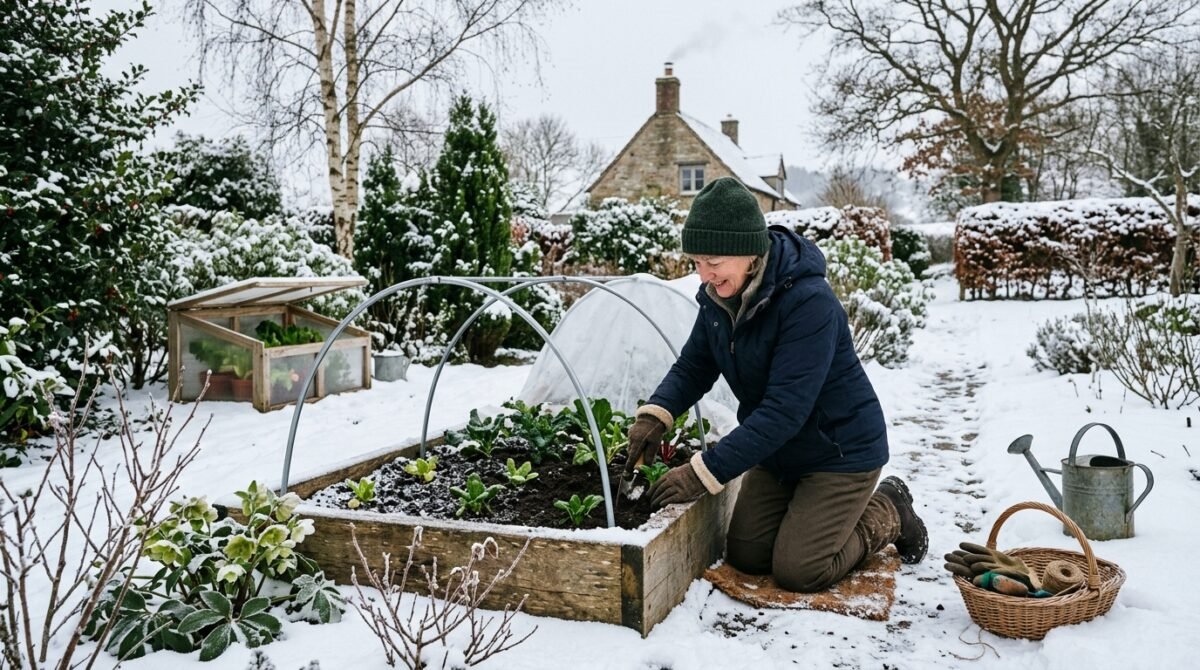
In areas with relatively mild winters, gardeners may be able to grow vegetables outdoors throughout much of the season. In colder regions, growth may slow significantly, and gardening may focus more on hardy crops, protected growing spaces, planning, and maintenance.
Before deciding what to grow, consider:
- Average winter temperatures
- Frost frequency
- Daylight hours
- Rainfall
- Snow or prolonged freezing
- Your soil conditions
- The length of your local growing season
Winter gardening is therefore not one fixed method. A gardener in a mild climate may have a productive vegetable garden, while someone in a colder region may spend more time protecting established plants and planning for spring.
What Can You Do in a Winter Garden?
A winter garden can involve much more than planting vegetables.
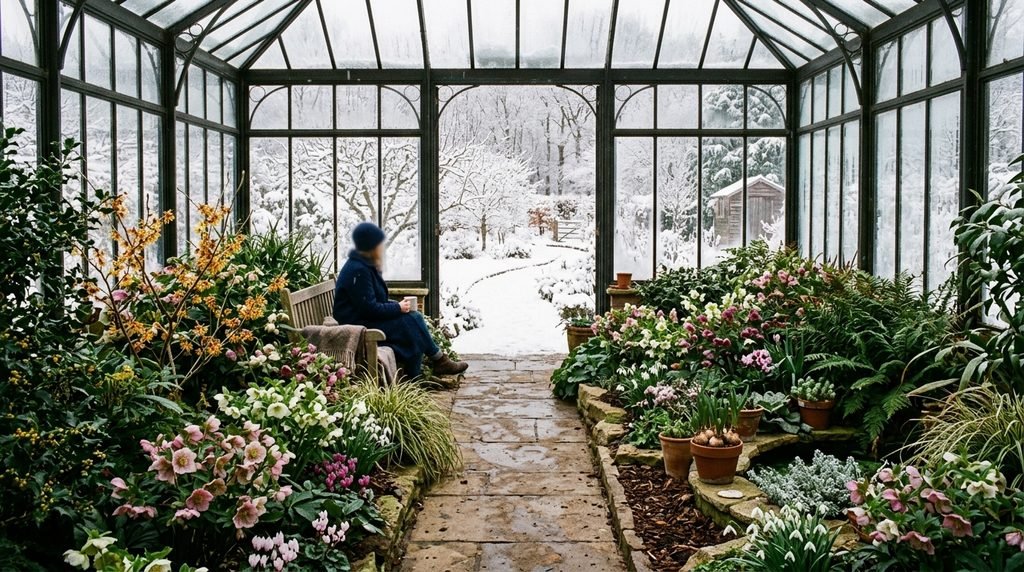
Depending on your climate, you can use the season to:
- Grow cold-tolerant crops
- Harvest vegetables already growing
- Plant suitable winter varieties
- Monitor established perennial plants
- Maintain garden paths and structures
- Plan the next growing season
- Observe winter wildlife
- Prepare seeds and planting schedules
The key is choosing activities that match your local winter conditions.
Growing Vegetables in Winter
One of the most useful aspects of gardening in the winter is growing vegetables that tolerate cooler temperatures.
Depending on your climate, possibilities may include:
- Kale
- Spinach
- Lettuce
- Radishes
- Carrots
- Some varieties of peas
- Certain members of the cabbage family
Not every vegetable will perform well in every winter climate.
For example, a crop that grows successfully through winter in a mild region may stop growing completely where temperatures remain below freezing.
Instead of relying solely on the name of a vegetable, check whether the specific variety is suitable for your local growing conditions.
Start With Your Local Climate
The biggest mistake in winter gardening is assuming that a general planting calendar applies everywhere.
Two gardens can have completely different winter conditions even when they are growing the same type of plant.
Before planting, consider:
First Frost Date
Knowing when your area typically experiences its first frost can help you determine whether there is enough time for a crop to establish.
Last Frost Date
This is particularly useful when planning the transition from winter into spring.
Average Winter Temperatures
Look beyond occasional cold nights. Sustained temperatures are often more important when deciding which plants can remain productive.
Daylight
Shorter winter days can slow plant growth even when temperatures aren’t extremely cold.
Microclimates
Walls, fences, slopes, sheltered corners, and areas exposed to sunlight can create noticeably different growing conditions within the same property.
Choose the Right Winter Crops
Successful winter gardening begins with choosing plants that are appropriate for the season.
Rather than asking:
“What can I grow in winter?”
A better question is:
“What can grow successfully during winter in my climate?”
That distinction matters.
Look for plants and varieties described as:
- Cold tolerant
- Frost tolerant
- Winter hardy
- Suitable for cool-season growing
- Appropriate for your planting zone or local climate
Seed packets and reputable local gardening resources can provide useful information about planting times and temperature tolerance.
When Should You Plant a Winter Garden?
There isn’t one universal winter planting date.
Some winter crops are planted in late summer or autumn so they can establish before temperatures become too cold.
Others can be planted closer to winter in regions where conditions remain mild.
The ideal timing depends on:
- Crop variety
- Days to maturity
- Local temperature
- First expected frost
- Soil conditions
- Whether you want growth or simply winter survival
For crops that grow slowly during cold weather, giving them time to establish before temperatures fall can be particularly important.
Gardening in Mild Winters
If your winters are relatively mild, winter can become an active growing season.
You may be able to:
- Sow cool-season vegetables
- Harvest leafy greens
- Grow root vegetables
- Maintain herbs
- Continue succession planting
- Prepare early spring crops
In these conditions, the garden doesn’t necessarily become dormant.
Instead, the focus shifts from heat-loving summer crops to plants that perform better in cooler conditions.
Gardening in Cold Winters
Cold climates require a different strategy.
When temperatures remain below the tolerance range of most plants, outdoor growth may become very limited.
Winter gardening may therefore focus on:
- Harvesting hardy crops
- Maintaining protected plants
- Monitoring soil moisture
- Planning spring crops
- Starting suitable plants in protected environments
- Preparing for the next growing season
Trying to keep unsuitable plants actively growing outdoors through severe winter conditions can create unnecessary work and poor results.
Work with the season rather than against it.
Winter Garden Maintenance
A winter garden still needs observation.
Regularly check for:
- Storm damage
- Excessive standing water
- Animal activity
- Broken supports
- Fallen branches
- Weed growth
- Plant damage
- Soil erosion
You don’t need to perform major maintenance every time you visit the garden.
A quick inspection can help you identify problems before they become more difficult to deal with.
Don’t Overwork the Winter Garden
Winter is not necessarily the time for constant digging, pruning, feeding, and rearranging.
Plants have seasonal growth cycles, and soil conditions may be unsuitable for heavy work when it is wet or frozen.
Before doing a task, ask whether it is actually necessary.
Avoid working the soil when it is excessively wet, as this can damage its structure and create compaction.
Sometimes the best winter gardening decision is simply to leave the garden undisturbed.
Harvesting During Winter
If you’ve planted suitable cold-season crops, winter can provide an opportunity to harvest fresh produce.
Harvesting practices depend on the crop.
For leafy vegetables, you may be able to harvest individual leaves while allowing the plant to continue growing.
For root crops, harvesting may be possible throughout the season where the ground remains workable.
Always consider local temperatures and the specific needs of the crop.
Winter Gardening Doesn’t Have to Mean Planting
One of the most useful ways to think about winter in the garden is that gardening isn’t limited to planting.
Winter can be a valuable planning period.
You can use the quieter months to:
- Review what worked during the previous season
- Decide what to grow next
- Order seeds
- Organize gardening supplies
- Plan crop rotations
- Sketch future planting layouts
- Repair garden tools
- Review your gardening records
Good planning during winter can make the next growing season considerably more organized.
Watch Your Garden Rather Than Following a Calendar
A calendar can tell you when winter has officially arrived, but your garden responds to actual conditions.
Pay attention to:
- Soil temperature
- Air temperature
- Frost
- Rainfall
- Plant growth
- Day length
- Weather forecasts
If conditions are unusually warm or cold, your garden may behave differently from a standard seasonal calendar.
Observation is one of the most valuable skills a gardener can develop.
Common Winter Gardening Mistakes
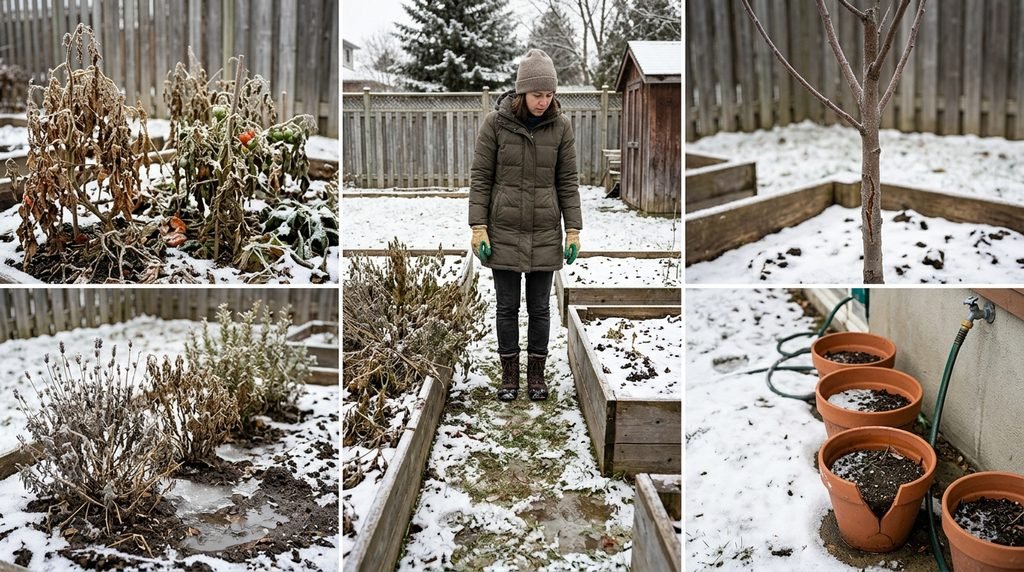
Planting Too Many Heat-Loving Crops
Plants that require warm conditions won’t necessarily become productive simply because they’re planted in winter.
Ignoring Your Local Climate
A winter planting guide from another region may not apply to your garden.
Planting Too Late
Some crops need time to establish before cold temperatures arrive.
Working Wet Soil
Walking or digging in saturated soil can damage its structure.
Overwatering
Cold-season plants generally don’t need the same watering routine as actively growing summer crops.
Trying to Keep Everything Growing
Some plants naturally enter dormancy. Allowing them to follow their seasonal cycle is often better than trying to force growth.
A Simple Winter Gardening Routine
A practical winter routine can be surprisingly simple:
1. Check the weather.
Know whether freezing, heavy rain, or unusually warm conditions are expected.
2. Inspect the garden.
Look for damage, standing water, pests, or other problems.
3. Harvest when appropriate.
Pick mature winter crops according to their needs.
4. Avoid unnecessary soil disturbance.
Especially when soil is wet or frozen.
5. Monitor established plants.
Look for unusual changes or damage.
6. Plan ahead.
Use quieter periods to prepare for the next growing season.
This approach keeps winter gardening manageable without turning it into a daily chore.
Winter Garden Checklist
- Identify crops suitable for your local winter.
- Check your area’s frost and temperature patterns.
- Plant appropriate cool-season crops at the correct time.
- Monitor winter weather.
- Harvest mature crops when appropriate.
- Inspect plants regularly.
- Watch for excessive moisture and drainage problems.
- Avoid working saturated or frozen soil.
- Keep an eye on pests and wildlife.
- Plan spring planting during quieter periods.
- Record what performs well in your winter conditions.
Final Thoughts
Gardening in the winter is less about keeping a summer garden alive and more about adapting your gardening approach to cooler conditions.
In mild climates, winter can provide a productive growing season for suitable vegetables. In colder areas, gardening may focus more on hardy crops, observation, planning, and preparing for spring.
The most successful winter gardeners work with their local climate rather than trying to follow a universal schedule. Choose appropriate plants, observe actual weather conditions, and don’t be afraid to let the garden rest when conditions aren’t suitable for active growth.
Winter may be quieter than summer, but there is still plenty to do, and plenty to learn from your garden.