The first frost can arrive surprisingly quickly. One mild evening may be followed by a sharp temperature drop overnight, leaving tender plants damaged before you have time to react.
The good news is that you do not need to completely winterize your garden every time frost is forecast. The hours and days immediately before the first frost require a much more focused set of actions.
This guide covers what to do before the first frost, from harvesting vulnerable crops and checking soil moisture to moving containers and preparing frost covers.
What Should You Do Before the First Frost?
When frost is approaching, prioritize the things that can be damaged quickly or are difficult to fix afterward.
Your pre-frost checklist should include:
- Check the forecast and expected timing.
- Harvest frost-sensitive crops.
- Water dry soil appropriately.
- Move vulnerable containers.
- Identify plants that need protection.
- Prepare frost covers and supports.
- Check existing covers and garden structures.
- Secure loose materials.
- Protect especially exposed plants.
- Recheck everything before sunset.
The goal is not to do every possible garden task. It is to reduce the risk of immediate cold damage before temperatures fall.
1. Check the Forecast Before You Start
Do not prepare the entire garden based only on the word “frost.”
Look at the expected overnight low, timing of the coldest temperatures, wind conditions and whether another cold night is likely to follow.
A forecast several days ahead is useful for planning, but the forecast closest to the event is usually more useful for deciding what needs immediate attention.

Pay particular attention to:
- Expected overnight temperature
- Approximate time temperatures will fall
- Wind conditions
- Cloud cover
- Duration of the cold period
- Whether temperatures are expected to remain below freezing
- Whether another frost is forecast the following night
Your garden may also have different microclimates. A plant beside a building can experience different conditions from one sitting in an exposed part of the yard.
2. Harvest Frost-Sensitive Crops First
One of the simplest ways to prevent frost damage is to harvest what is ready before the cold arrives.
Do not wait until the morning after a frost to collect crops that are already mature and vulnerable.
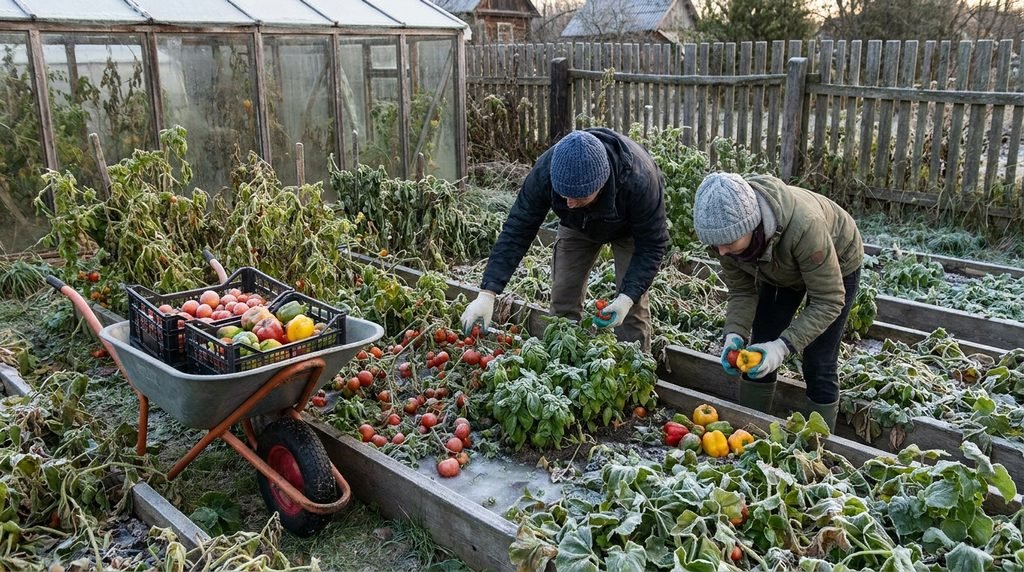
Prioritize:
- Ripe tomatoes
- Peppers
- Tender beans
- Basil and other tender herbs
- Summer squash
- Cucumbers
- Tender flowers
- Other crops known to be sensitive to freezing temperatures
You do not necessarily need to harvest everything.
Hardier crops may tolerate light frost, depending on the plant and local conditions. The important distinction is between crops that can safely remain outside and crops that are likely to lose quality or suffer damage.
A practical harvesting rule
If a tender crop is mature enough to use and a significant frost is approaching, harvesting it is often safer than gambling on another night outdoors.
This is especially useful for plants that have already reached the end of their productive season.
3. Check the Soil Before the Temperature Drops
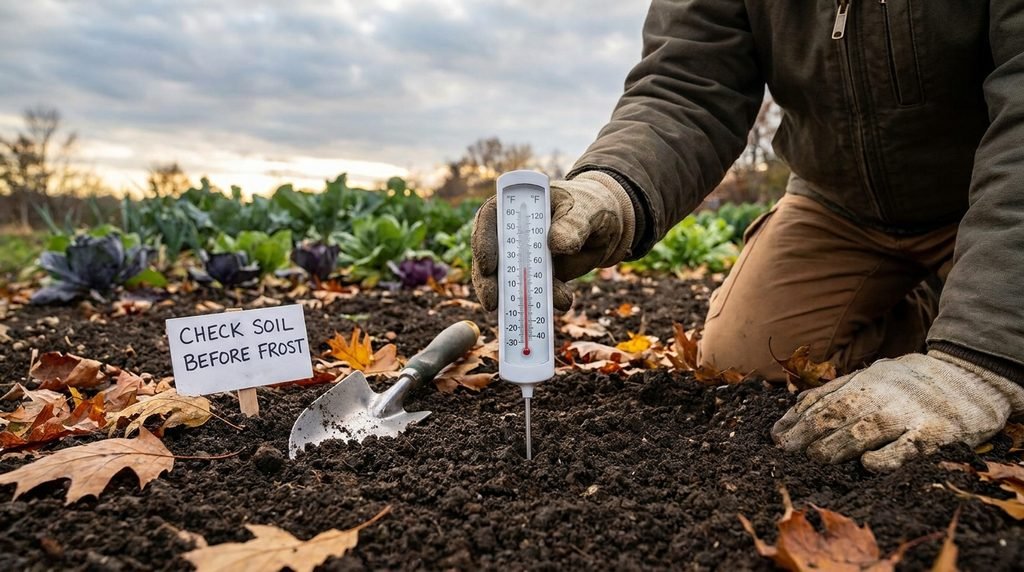
Dry soil can make conditions more difficult for some plants going into a cold night.
Before watering, however, check the actual soil moisture.
Push a finger into the soil or inspect the root zone rather than watering automatically because frost is forecast.
If the soil is genuinely dry and the plants normally require watering, give them an appropriate amount of water before the cold event.
Avoid turning this into a heavy irrigation session simply because temperatures are falling.
The goal is adequate moisture—not saturated soil.
Poorly drained, waterlogged soil can create its own problems during cold weather.
4. Move Vulnerable Containers
Containers deserve special attention before the first frost.
A plant growing in the ground has a substantial volume of surrounding soil that can moderate temperature changes. A container has much less thermal mass and can cool rapidly from several sides.
Before the first frost, identify containers holding:
- Tender annuals
- Tropical or subtropical plants
- Young seedlings
- Frost-sensitive herbs
- Recently transplanted plants
- Plants that you intend to keep growing indoors
Move suitable containers into a protected location such as:
- A garage
- Enclosed porch
- Greenhouse
- Shed with appropriate conditions
- Sheltered area beside a building
Do not move every container automatically. Hardy plants that tolerate your local winter may not need special treatment.
5. Identify the Plants Most at Risk
Walk through the garden before the frost arrives and make a quick list of the plants that need attention.
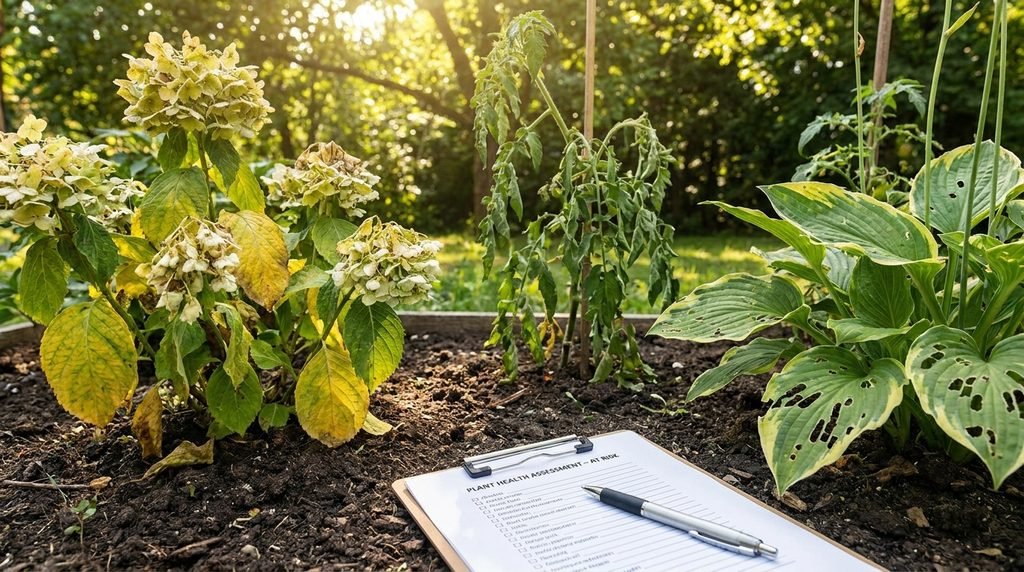
Look for:
Tender annuals
Many warm-season annuals are damaged by temperatures that hardy perennial plants can easily tolerate.
Young plants
Recently planted seedlings and transplants can be more vulnerable than established plants.
Newly emerging growth
Fresh, soft growth is often less tolerant of sudden cold than mature tissue.
Plants in exposed locations
Plants sitting in open areas may experience colder and windier conditions than plants near walls, fences or other shelter.
Plants you particularly want to preserve
Even if a plant might survive a light frost, protecting a valuable specimen can be worthwhile.
This short inspection prevents you from discovering at sunset that you have forgotten a vulnerable plant at the far end of the garden.
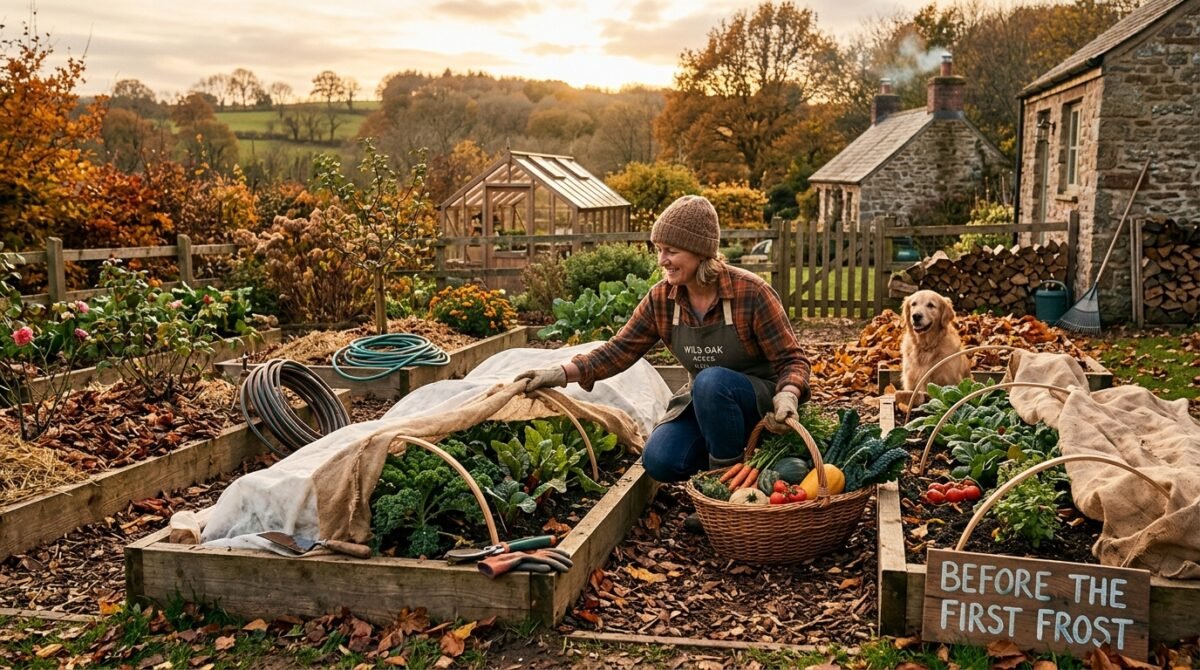
6. Get Frost Covers Ready Before You Need Them
One of the most common pre-frost mistakes is waiting until the temperature is already dropping to look for protective material.
Have your supplies ready in advance.
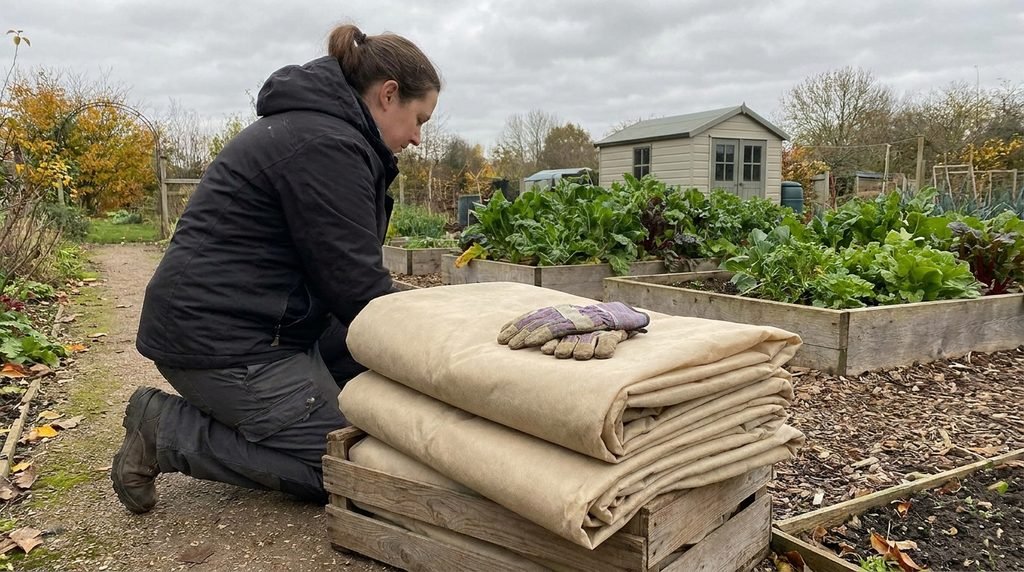
Depending on your garden, these may include:
- Frost cloth
- Row covers
- Plant supports or hoops
- Garden stakes
- Clips
- Bricks or other suitable weights
- Containers that can be moved
- Twine or ties for securing lightweight materials
The cover should be ready to install quickly.
If you use row covers or frost cloth regularly, inspect them for:
- Tears
- Holes
- Missing clips
- Weak edges
- Damaged hoops
- Loose anchors
A cover sitting in a shed is not protecting anything. The useful preparation happens before sunset, when you still have enough light to install everything properly.
7. Protect Vulnerable Plants Before the Coldest Hours
If a plant needs protection, install it before the temperature reaches its lowest point.
A frost cover works best when it creates a protective layer around the plant rather than being thrown loosely over it at the last moment.
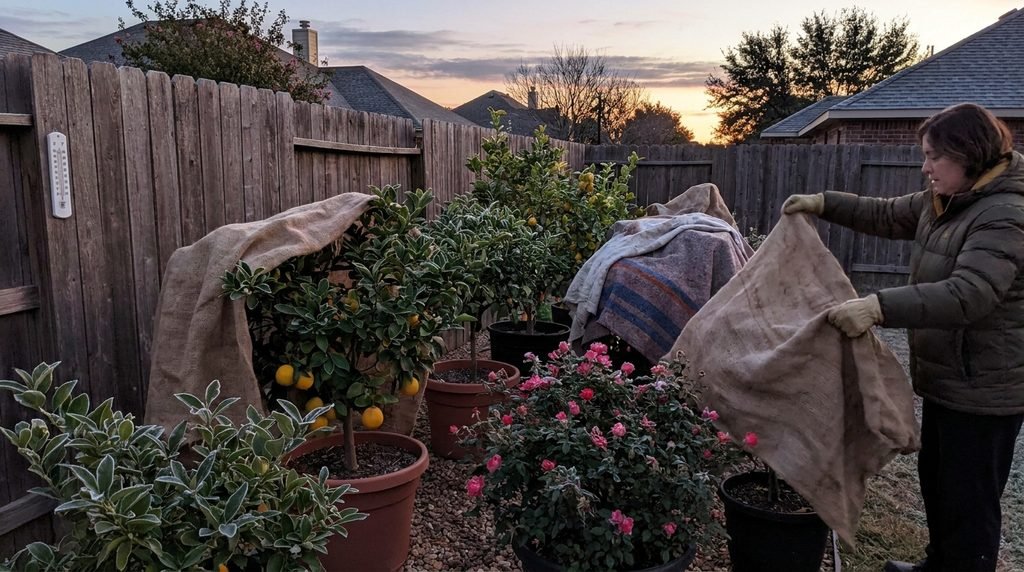
Where appropriate:
- Use supports to keep covers above delicate foliage.
- Secure the edges so wind cannot lift them.
- Make sure the material reaches close to the ground.
- Avoid leaving gaps that allow cold air to move freely underneath.
- Check that the cover will remain secure overnight.
Do not confuse temporary frost protection with a permanent winter enclosure. The objective here is simply to protect vulnerable plants through the immediate cold event.
8. Check Existing Covers and Structures
If your garden already has tunnels, cloches, cold frames or other protective structures, inspect them before the first frost.
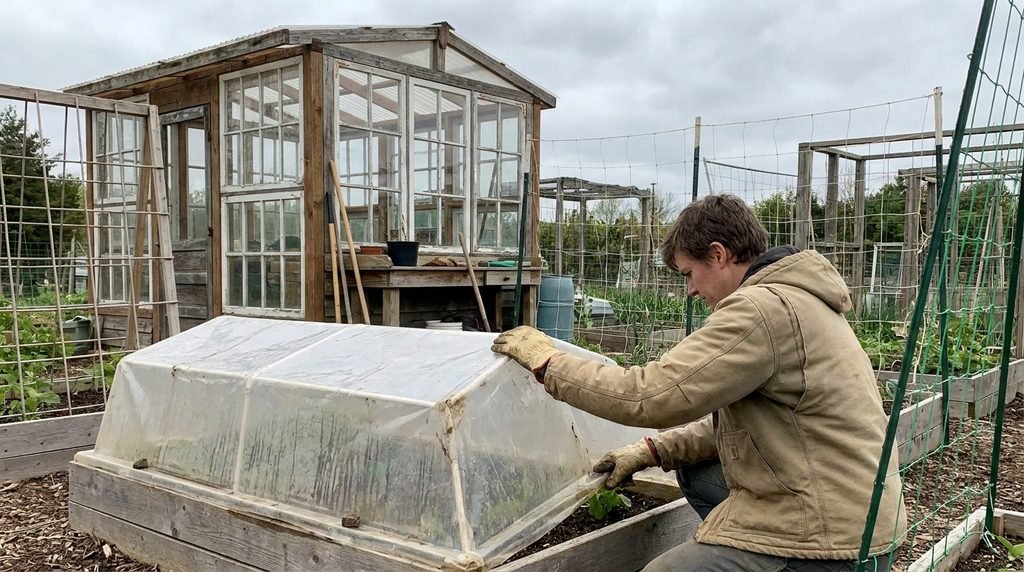
Check for:
- Loose covers
- Broken hoops
- Open gaps
- Damaged frames
- Water pooling
- Wind damage
- Plants touching unsuitable covering material
- Covers that are no longer securely anchored
A small repair in the afternoon is much easier than trying to fix a damaged structure in freezing darkness.
9. Pay Special Attention to Exposed Garden Areas
Not every part of the garden experiences the same conditions.
Low spots can collect colder air, while areas near walls or other structures may remain somewhat more sheltered.
Before the first frost, look at where your most vulnerable plants are positioned.
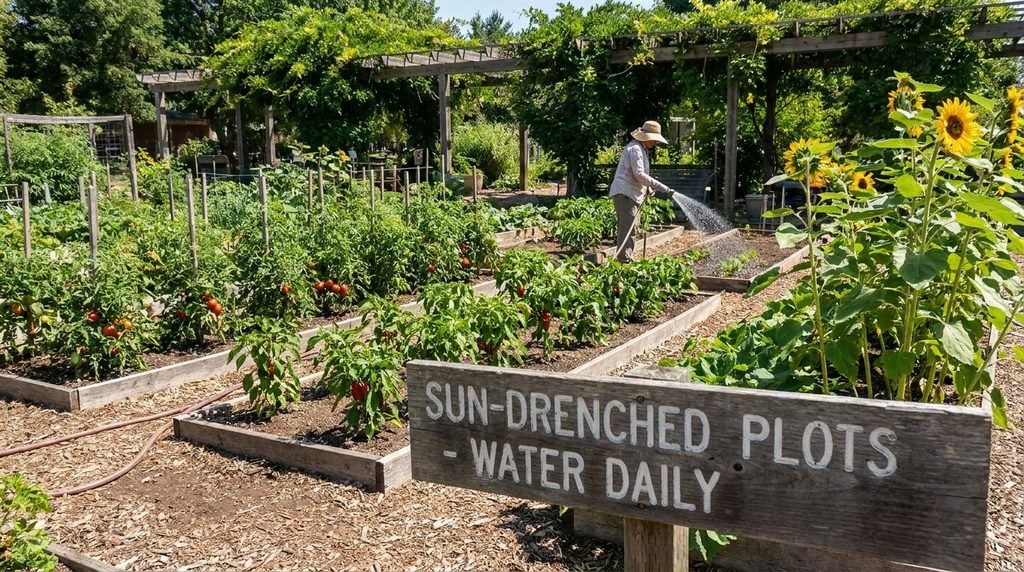
You may notice that:
- Plants near a wall are better protected.
- Open beds are more exposed.
- Low areas tend to collect cold air.
- Containers on exposed patios cool quickly.
- Wind-exposed plants require more attention.
This is valuable information for future garden planning as well.
After several seasons, you can develop a practical understanding of which areas of your property are your cold spots and which provide natural shelter.
10. Secure Loose Garden Materials
Before a cold night, especially one accompanied by wind, secure anything that could blow around.
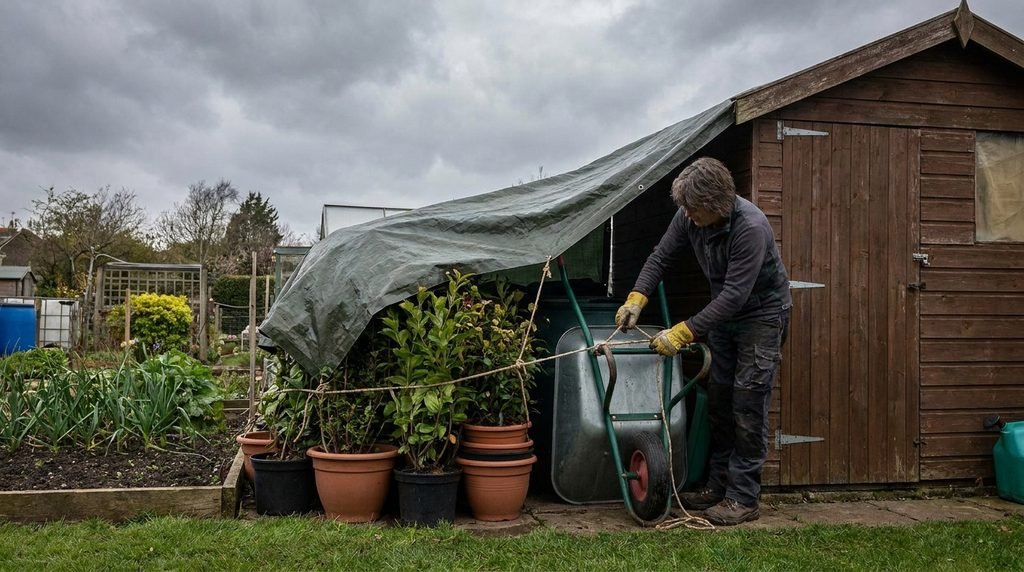
Put away or secure:
- Empty pots
- Lightweight trays
- Garden fabric
- Plastic sheets
- Tools
- Plant labels
- Loose stakes
- Decorative items
This is particularly important if you have just installed frost protection.
A poorly secured cover can become more of a problem than the frost itself if wind lifts it away during the night.
What Should You Do Before the First Frost? Quick Checklist
Use this checklist when frost is approaching:
| Task | Priority |
|---|---|
| Check the latest forecast | High |
| Harvest mature tender crops | High |
| Check soil moisture | High |
| Move vulnerable containers | High |
| Identify tender plants | High |
| Prepare frost cloth and covers | High |
| Check hoops and supports | High |
| Secure covers | High |
| Inspect cold frames or tunnels | Medium |
| Secure loose garden materials | Medium |
| Note exposed or cold-prone areas | Medium |
What You Don’t Need to Do Yet
The first frost does not mean you have to complete every winter gardening task immediately.
Avoid rushing into unrelated jobs simply because cold weather is approaching.
For example, you do not necessarily need to:
- Strip the entire garden bare
- Remove every piece of healthy plant material
- Dig every garden bed
- Prune everything
- Apply fertilizer as an emergency measure
- Completely redesign the garden
- Perform a full winterization project overnight
Those are separate decisions.
The immediate goal is much simpler: protect what is vulnerable and preserve anything worth harvesting before the first freeze.
What If Frost Is Forecast Tonight?
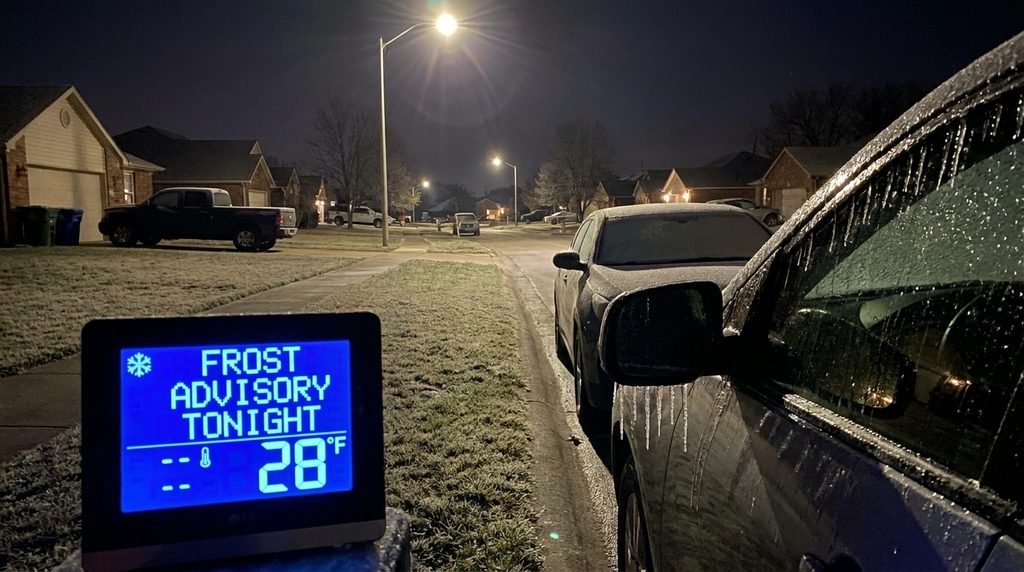
If you have only a few hours, use this order:
1. Harvest
Pick mature, frost-sensitive crops first.
2. Move containers
Bring vulnerable potted plants into a protected location.
3. Check moisture
Water only where the soil is genuinely dry and watering is appropriate.
4. Cover vulnerable plants
Install frost cloth or suitable covers before the coldest part of the night.
5. Secure everything
Make sure covers, containers and lightweight materials cannot be displaced by wind.
6. Do a final walk-through
Walk the entire garden once more before dark.
Look for the one plant, container or cover you might have missed.
A Simple First-Frost Routine
Experienced gardeners often benefit from having a repeatable routine rather than trying to remember everything when the forecast changes.
Try this sequence:
Forecast → Harvest → Water check → Containers → Vulnerable plants → Covers → Secure → Final inspection
It takes far less time than dealing with preventable damage afterward.
The first frost is also an opportunity to learn about your garden. Make a note of which plants needed protection, which survived without it and which areas of the property became coldest.
That information becomes increasingly valuable from one year to the next.
Final Thoughts
Preparing a garden before the first frost does not have to mean rushing through an entire winterization project.
Focus on the immediate risks.
Harvest tender crops, check soil moisture, move vulnerable containers, identify plants that need protection, prepare your covers and secure everything before temperatures fall.
The best pre-frost preparation is timely rather than complicated. A short inspection on the afternoon before the cold arrives can save plants, preserve a final harvest and make the transition into winter much easier.