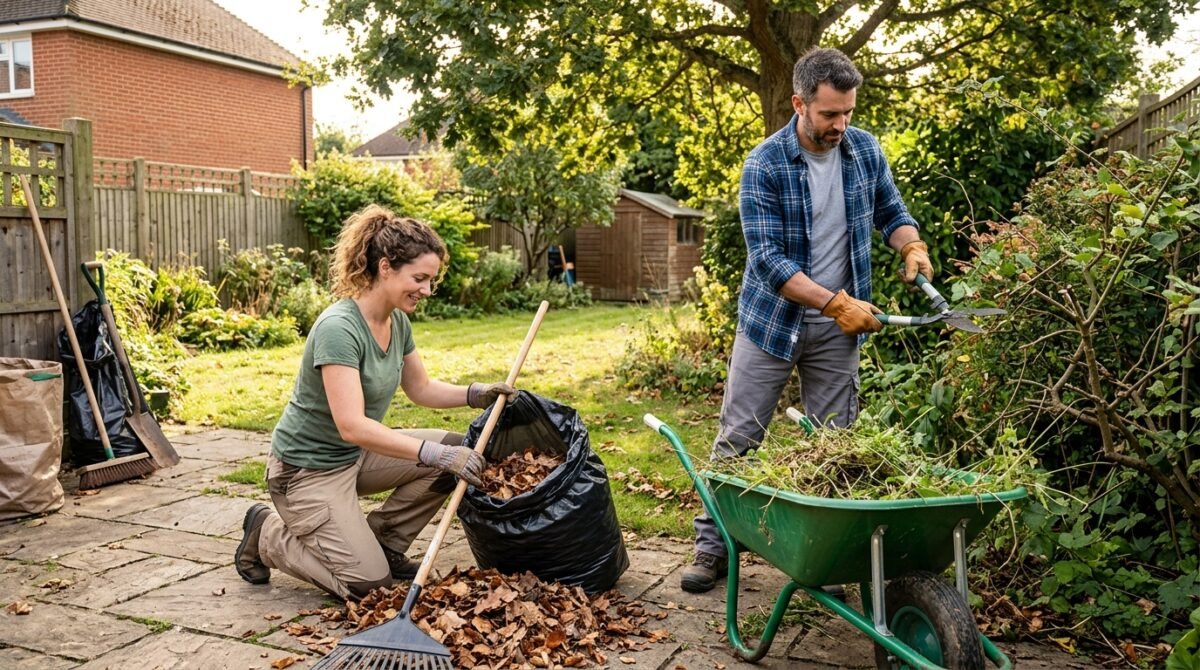
As the growing season comes to an end, a thorough garden cleaning can help your outdoor space transition into winter in a more organized condition.
Cleaning the garden isn’t about removing everything and leaving the soil bare. Instead, it means clearing unnecessary debris, dealing with problematic plant material, organizing the space, and identifying issues that should be addressed before winter.
This guide focuses specifically on garden cleanup. Detailed preparation of raised beds, frost protection, winter watering, and winter vegetable gardening should be handled separately.
Why Is Garden Cleaning Important?
A neglected garden can carry unnecessary debris, diseased plant material, weeds, and damaged structures into the next growing season.
A good seasonal cleanup can help you:
- Remove unwanted debris
- Reduce potential pest and disease problems
- Keep paths accessible
- Organize garden tools and supplies
- Identify damaged structures
- Improve the appearance of the garden
- Make spring maintenance easier
The objective is a cleaner, more manageable garden, not an aggressively stripped landscape.
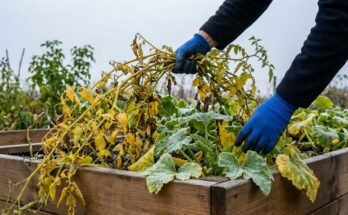
1. Remove Finished Annual Plants
Start by identifying annual plants that have completed their growing cycle.
Plants that are completely finished can generally be removed from beds, borders, and containers.
However, don’t automatically remove every plant that looks untidy.
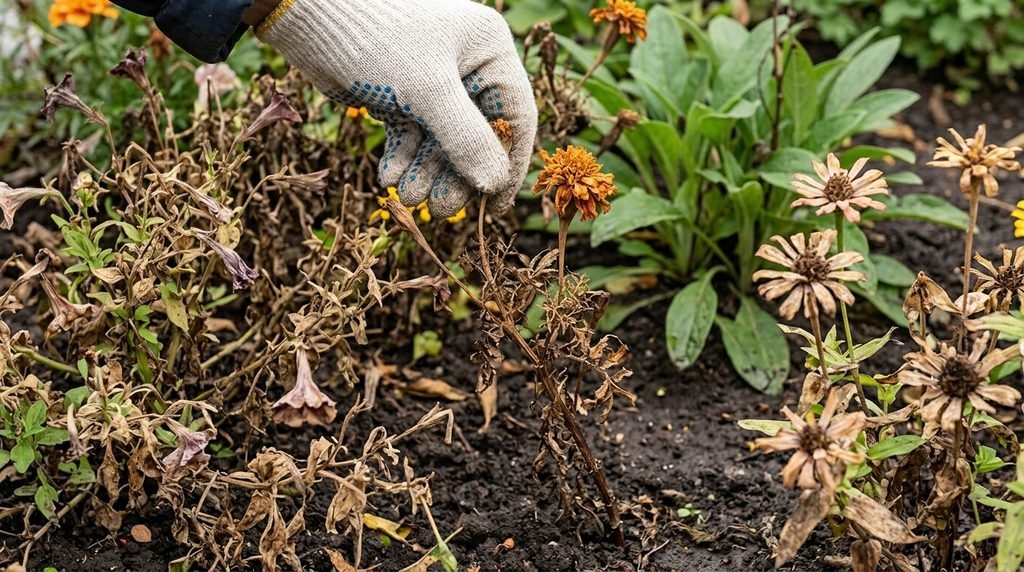
Some plants may:
- Still provide food for wildlife
- Have attractive seed heads
- Offer winter structure
- Be beneficial to beneficial insects
If a plant is healthy and contributes something useful to the winter garden, leaving it in place may be preferable to removing it simply for appearance.
2. Remove Diseased Plant Material
Diseased plants deserve more attention than ordinary garden debris.
Inspect leaves, stems, and spent plants for obvious signs of disease.
Problematic material may include:
- Severely diseased leaves
- Rotten stems
- Plants with significant fungal problems
- Material heavily affected by pests
Avoid casually placing seriously diseased plant material into a home compost pile unless your composting system is capable of properly handling it.
The goal is to avoid unnecessarily carrying garden problems into the next season.
3. Clear Weeds Before Winter
Autumn is a useful time to deal with weeds that are still actively growing.
Remove weeds before they have an opportunity to produce and spread additional seeds.
Pay particular attention to:
- Garden paths
- Around bed edges
- Gaps between paving
- Areas around shrubs
- Empty growing spaces
Don’t feel that every small weed must be removed from every part of the property immediately. Focus first on established weeds that are likely to become a bigger problem.
4. Clean Garden Paths
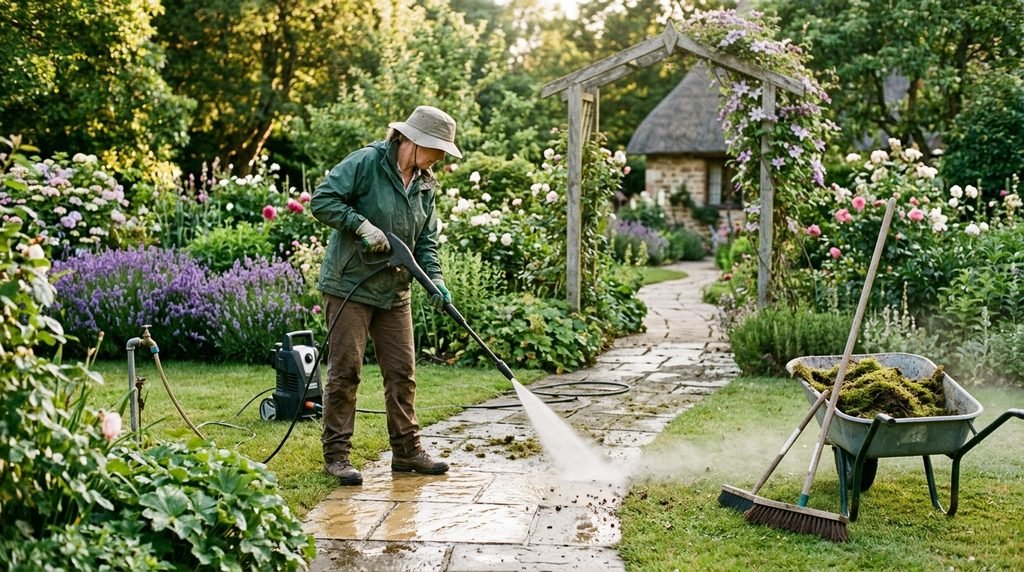
Garden paths often become covered with:
- Fallen leaves
- Soil
- Grass clippings
- Dead plant material
- Moss
- Other debris
Clear paths so they remain accessible during winter.
This is particularly useful in areas where wet leaves can become slippery.
While cleaning, inspect the paths for cracks, loose paving, damaged edging, or areas where water isn’t draining properly.
5. Deal With Fallen Leaves
Fallen leaves are one of the biggest parts of autumn garden clean up.
But you don’t necessarily need to remove every leaf from your property.
Healthy leaves can be useful organic material.
Depending on where they fall, you may:
- Rake them from paths
- Shred them for mulch
- Add suitable leaves to compost
- Leave some beneath appropriate trees and shrubs
- Remove excessive layers from lawns
The important thing is to avoid thick accumulations where they could create problems.
6. Clean Garden Containers
If you have empty pots and containers, clean them before storing or reusing them.
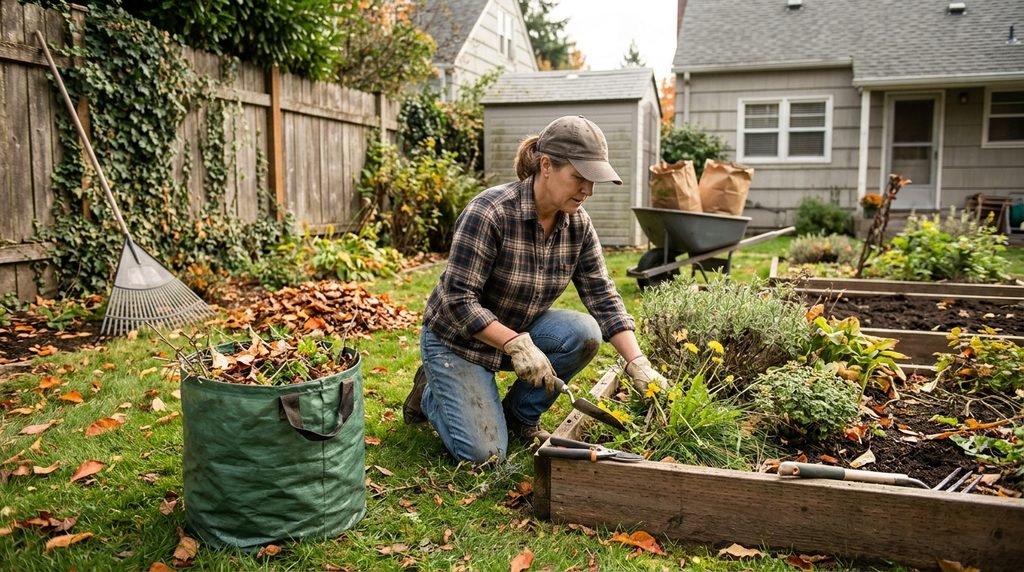
Remove:
- Old roots
- Dead plant material
- Excess soil
- Weeds
- Debris
Cleaning containers can make them easier to inspect and prepare for future planting.
Check for cracked pots or damaged containers that may need replacing.
Don’t automatically throw away every old container. Some can be cleaned and reused.
7. Inspect Garden Structures
Garden cleaning is also an opportunity to inspect the structures around your growing areas.
Check:
- Trellises
- Plant supports
- Stakes
- Edging
- Fences
- Gates
- Raised-bed frames
- Garden arches
Look for:
- Rot
- Cracks
- Loose connections
- Rust
- Structural damage
Small repairs are usually easier to handle before winter weather makes outdoor work more difficult.
8. Clean and Organize Garden Tools
Don’t leave dirty tools scattered around the garden.
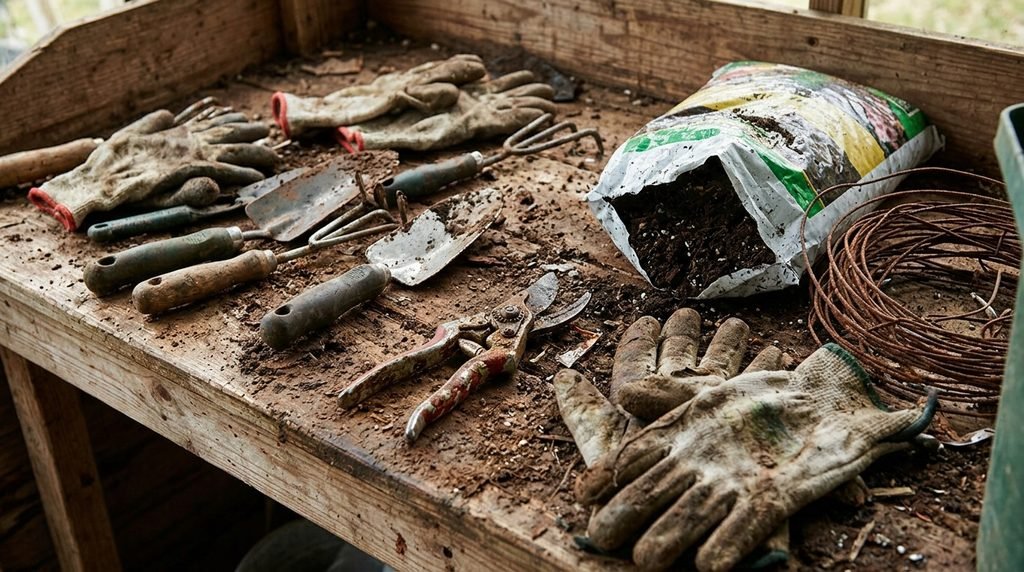
Clean soil and plant residue from:
- Pruners
- Trowels
- Spades
- Hoes
- Rakes
- Hand forks
Dry tools thoroughly before storing them.
It’s also a good opportunity to inspect cutting tools for dull or damaged blades and identify equipment that needs repair or replacement.
Keeping tools organized now can save considerable time when gardening resumes in spring.
9. Remove Unnecessary Garden Debris
Walk through the garden and collect obvious debris such as:
- Broken plant supports
- Plastic tags
- Damaged pots
- Twine
- Empty packaging
- Broken stakes
- Fallen branches
- Other unwanted materials
Separate reusable items from waste.
This simple step can make the garden look considerably more organized without disturbing healthy plants or soil.
10. Check for Pest Problems
While cleaning, inspect plants and garden structures for signs of pests.
Look for:
- Chewed leaves
- Egg masses
- Damaged stems
- Webbing
- Unusual plant decline
- Pest activity around containers
Don’t automatically use pesticides because you find an insect.
Some insects are harmless or beneficial.
The more useful approach is to identify significant pest problems and determine whether action is actually necessary.
11. Check Drainage and Water Flow
Garden cleanup is a good opportunity to notice water-related problems.
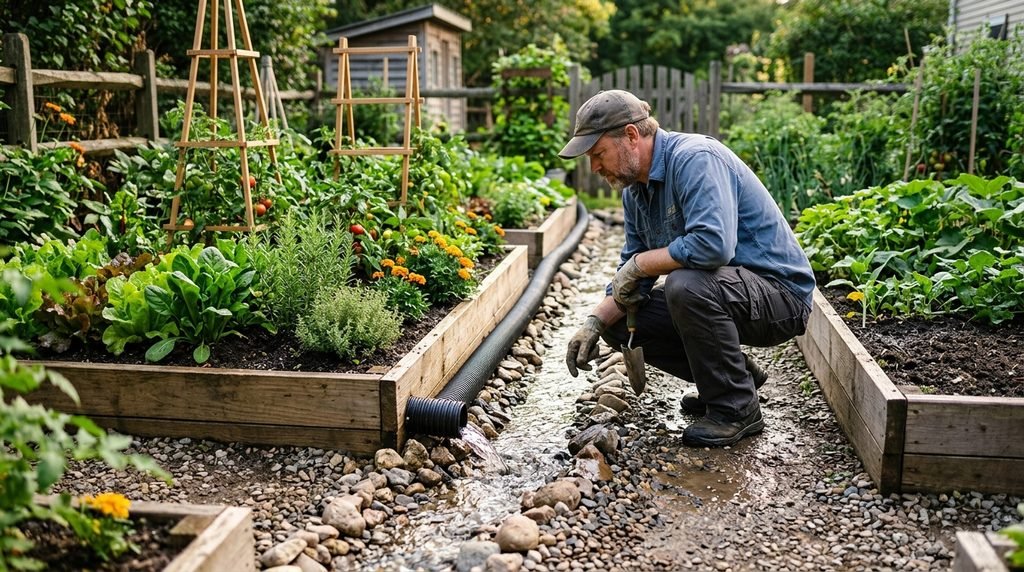
After rainfall, look for areas where water:
- Pools around plants
- Collects on paths
- Flows toward garden beds
- Remains trapped near structures
Clear obvious debris from suitable drainage channels and note larger problems that may require attention later.
Don’t try to solve every drainage issue during routine cleanup. Simply identifying the problem can be valuable when planning future improvements.
12. Decide What Should Stay
A good garden cleanup doesn’t mean removing everything that isn’t perfectly tidy.
Before cutting or removing a plant, ask:
Does it need to be removed, or can it provide value during winter?
Some plants can provide:
- Winter structure
- Seeds for birds
- Shelter for wildlife
- Habitat for beneficial insects
- Visual interest
Leaving selected plants standing can make a garden more useful and attractive during the colder months.
13. Create a Simple Winter Storage Area
If your garden contains seasonal equipment, designate a place for items that won’t be used regularly.
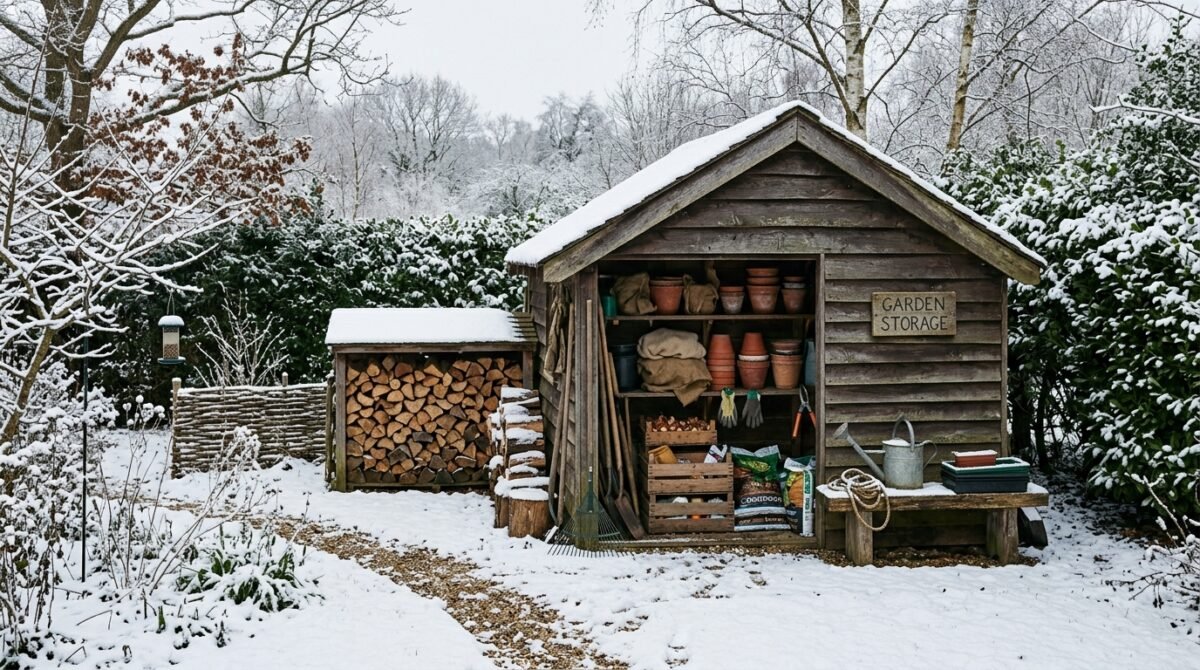
Store appropriate:
- Pots
- Garden tools
- Supports
- Hoses
- Decorative items
- Empty containers
Keep everything dry and accessible.
Avoid piling equipment randomly into a shed, because finding tools again in spring can become unnecessarily frustrating.
Garden Cleaning Checklist
Use this checklist for your seasonal garden clean up:
- Remove finished annual plants where appropriate.
- Remove seriously diseased plant material.
- Clear established weeds.
- Clean garden paths.
- Manage excessive fallen leaves.
- Clean empty containers.
- Inspect trellises and supports.
- Check fences, gates, and edging.
- Clean and inspect garden tools.
- Remove unnecessary debris.
- Look for significant pest problems.
- Check drainage and water flow.
- Decide which plants should remain for winter interest or wildlife.
- Organize seasonal equipment and supplies.
What Not to Do During Garden Cleanup
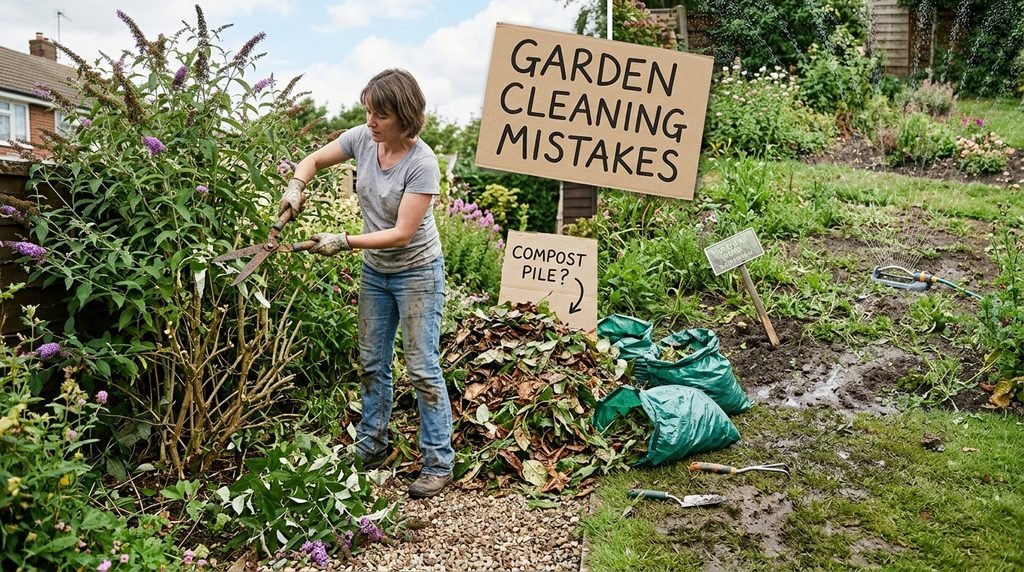
Don’t Strip the Garden Completely
A completely bare garden isn’t necessarily a healthier garden.
Don’t Remove Healthy Organic Material Automatically
Leaves and healthy plant residues can have useful purposes.
Don’t Compost Diseased Material Carelessly
Disease management should be considered before adding plant debris to your compost.
Don’t Disturb Wet Soil
Heavy foot traffic or digging in saturated soil can damage soil structure.
Don’t Remove Plants Just for Appearance
Some plants provide important winter habitat and structure.
Final Thoughts
Effective garden cleaning is about making thoughtful decisions rather than simply removing everything in sight.
Clear unnecessary debris, manage weeds, remove seriously diseased material, clean paths and tools, inspect garden structures, and organize your equipment.
At the same time, leave healthy plants and organic material where they provide genuine value.
A well-cleaned garden should feel organized and prepared—not stripped bare. By completing these simple tasks before winter, you’ll have a cleaner outdoor space and a much easier starting point when the next growing season arrives.

One Comment on “Garden Cleaning: A Complete Guide to Getting Your Garden Ready for Winter”